Pasture & Field Reclamation in Gastonia, NC
Across rural Gastonia and Gaston County — south toward Chapel Grove and Crowders Creek, north toward Dallas and Pasour Mountain, and west toward Bessemer City — hundreds of acres of once-clean fescue pasture and hay ground have been slowly swallowed by sweetgum sprouts, loblolly pine saplings, eastern red cedar, sumac, and blackberry thickets.
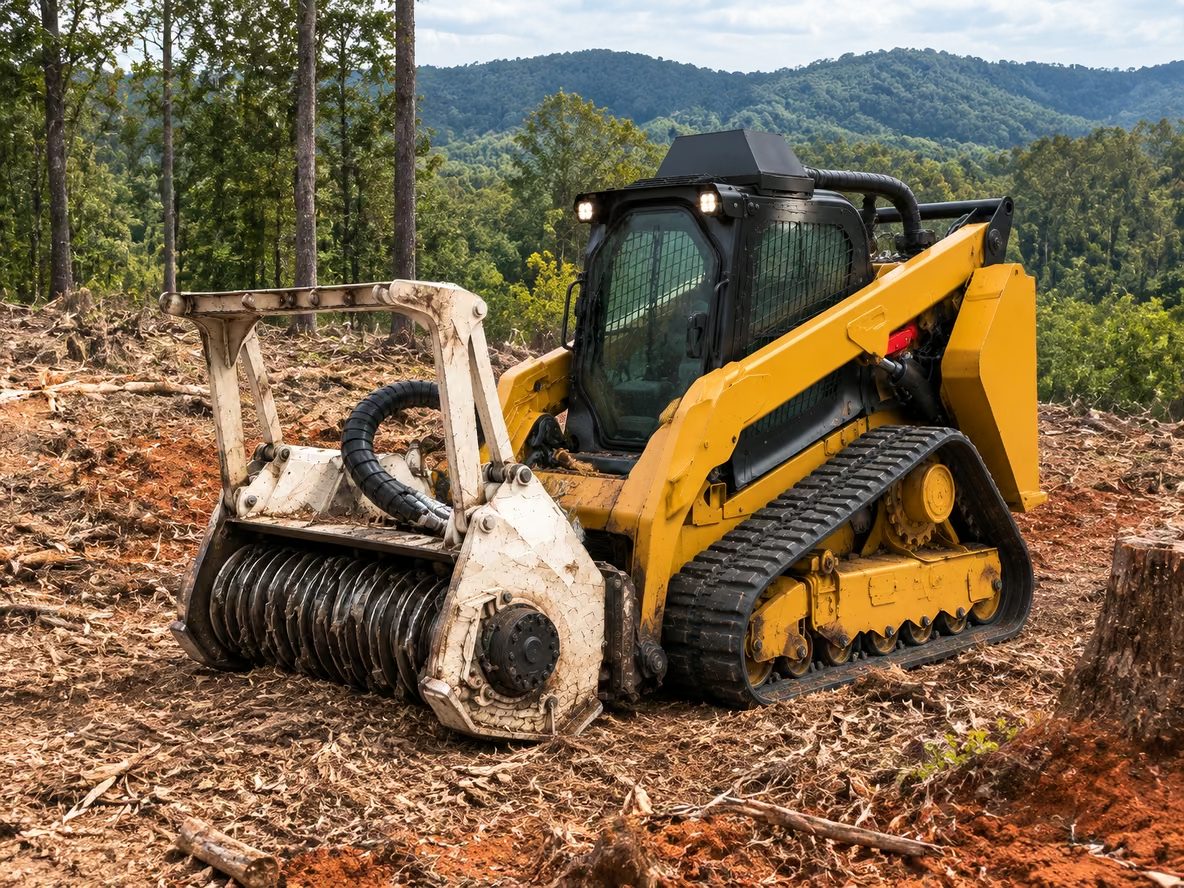
When an old field has grown too thick and woody for a tractor and bush hog, our tracked forestry mulching and mechanical clearing crew reclaims your pasture back to its original fence lines without scraping away the dark topsoil you need to grow grass.
- Topsoil stays on your field — never bladed into dirt piles
- Encroaching pine, sweetgum, cedar & briars mulched flush
- Overgrown perimeter fence rows opened back up
- Excavator & haul-off available for 8"+ field trees
Get a Free Pasture Reclamation Estimate
Tell us where your pasture or old field is in Gastonia or Gaston County. We will walk the field with you and give you a firm written price.
Thanks, we’ve got it.
Keep your phone handy — we’ll call you from (704) 397-3652 to set up your lot walk-through.
Sorry, your request didn’t go through. Please call (704) 397-3652 or email [email protected].
-
Owner on Every Job The person who walks it runs the machine
-
Licensed & Insured COI provided before work starts
-
Free On-Site Estimates Straight written number after a boundary walk
-
Topsoil-Preserving Method Mulch decomposes into organic matter for grass
What Our Pasture & Field Reclamation Process Is
Taking back a neglected Gaston County pasture takes four straightforward steps.
-
01
Walk the Field & Old Fence Lines
We walk the overgrown field with you in Gastonia to spot buried wire fencing, old farm equipment, creek crossings, and large shade oaks you want kept for livestock.
-
02
Written Per-Acre or Field Price
You get a clear written quote for mulching the encroaching saplings and thickets, plus separate options if you want 8-inch-plus trees or stumps dug out.
-
03
High-Flow Mulching & Edge Push-Back
Our tracked mulcher grinds the volunteer pines, sweetgums, cedars, and briars down to ground level across the field and pushes the encroaching tree line back to your fence.
-
04
Final Field Walk-Through
We walk the reclaimed acreage with you so you can inspect the ground finish and plan your follow-up bush hogging, seeding, or fencing.
Once the woody saplings and briar walls are mulched down to the soil surface and the fine wood fibers weather in, you can keep the field open with routine tractor rotary mowing.
Where We Serve
View our main Gastonia forestry mulching guide or explore pasture and field reclamation in neighboring Gaston County towns.
Taking Back Overgrown Fields & Livestock Pastures Around Gastonia
How a Gaston County Pasture Gets Lost to the Woods
If you stop bush hogging a Piedmont pasture for just three to five years, the surrounding tree line marches inward fast. Windblown loblolly pine seeds and sweetgum burrs sprout by the thousands in the sunny grass; birds drop eastern red cedar, privet, and autumn olive seeds along every fence post; and thorny blackberry and greenbrier canes arch over the old woven wire. By year five or six, the saplings are three to six inches thick at the base — far too heavy for a farm tractor’s rotary cutter or PTO driveline to survive.
At that stage, landowners often think their only option is hiring a bulldozer to push the whole field into giant dirt-and-brush windrows. The problem is that a dozer blade scrapes off the top four to six inches of fertile organic topsoil and leaves you with slick, acidic red-clay subsoil that takes years of lime and fertilizer just to grow thin fescue again.
Why Forestry Mulching Saves Your Pasture Topsoil
Forestry mulching reclaims neglected fields from the top down without turning the soil profile upside down. Our high-flow tracked mulcher cuts and shreds the standing pines, sweetgums, cedars, and briar thickets right in place, grinding the stems flush with the dirt and spreading a fine layer of wood mulch across the field.
Every ounce of your existing topsoil stays exactly where it belongs, and the shredded wood blanket protects sloped ground from washing out during hard summer thunderstorms while decomposing into humus over the following seasons. Where mature white oaks or hickories stand out in the middle of the pasture, we mulch cleanly around their drip lines so your cattle, horses, or goats keep their summer shade.
When to Mulch Flush vs. When to Pull Stumps in a Pasture
Matching the clearing method to how you plan to use the field saves you thousands of dollars:
- Broadcast Overseeding & Rotary Mowing: If your goal is reclaiming open view acreage, meadow, or rough grazing pasture that you will maintain with a bush hog and broadcast seeder, forestry mulching saplings under 8 inches flush with the ground is the fastest, most cost-effective route.
- Plowing, Discing, or Horse Riding Arenas: If you plan to pull a bottom plow or heavy disc harrow through the dirt, or if you are building aworked equestrian riding ring where buried sapling roots or trees 8 inches and wider cannot remain in the soil, we bring in an excavator to uproot the larger timber, pull the root balls out of the clay, and haul the wood off.
Pushing Back Encroaching Tree Lines & Fence Rows
Even on actively grazed Gaston County farms, the outer twenty to thirty feet of pasture along the woods line shrinks over time. Overhanging oak and sweetgum limbs shade out the grass along the fence, dropped branches crush the top wire, and briars grow out into the field where the tractor cab cannot reach. We run our tracked mulcher right along the inside of your perimeter to push the brush wall back, clear out old cross-fencing rows, and open wide perimeter lanes so you can set new corner braces and string tight wire.
Creek Crossings, Farm Ponds & Local Rules (Confirm Locally)
Rural pastures around Gastonia almost always include spring heads, farm ponds, or creeks draining toward the South Fork Catawba River or Crowders Creek. Always confirm applicable regulations with the city or county before work begins:
- Stream Buffers & Watering Access: Regulated perennial and intermittent streams in the Catawba basin carry riparian buffer protections under NCDEQ rules. Leaving a vegetated buffer along creeks while opening designated crossings keeps red-clay sediment out of the water.
- One-Acre Bare-Earth Threshold: If your field reclamation involves bare-earth stump grubbing over more than one acre, verify with Gaston County, the City of Gastonia, or your local agricultural extension/soil conservation office whether an erosion plan or agricultural exemption applies.
- No Open Burning Near Hay & Barns: Mulching eliminates the wildfire hazard and NC Forest Service permit headaches of burning huge brush piles next to dry broomstraw fields and barns.
- NC 811 Before Pulling Posts or Stumps: Always call NC 811 before any subsurface digging near road frontages or buried farm water/electric lines.
What Is Included — and What We Do Not Do
Our pasture reclamation price includes walking the field with you to spot hidden wire and hazards, mobilizing our tracked mulcher (and excavator if 8-inch-plus tree removal is included), 100% mechanical cutting and mulching to ground level, and a final inspection walk.
We do not perform finish grading, plowing, discing, lime/fertilizer application, grass seeding, or fence installation; we do not offer kudzu or invasive species eradication; and we never spray herbicides or pasture chemicals. Everything is 100% mechanical.
Other Services We Provide in Gastonia
Every land clearing, forestry mulching, and brush clearing service we offer in Gastonia, NC, grouped by category.
Why Choose Us for Pasture Reclamation in Gastonia
Your Topsoil Stays Put
Unlike bulldozing, forestry mulching leaves your fertile top horizon on the field instead of shoving it into dirt-filled brush piles.
Safe for Wells, Creeks & Livestock
We use 100% mechanical cutting and mulching — zero chemical herbicides near your livestock waterers, farm pond, or pasture grass.
Hidden Wire & Hazard Walk First
We walk old fields carefully with you before starting to locate forgotten barbwire, T-posts, well casings, and creek banks.
Shade Oaks Preserved
We mulch cleanly around the big pasture oaks and hickories you want to keep for shade while clearing out the scrub.
Every year an old Gaston County field sits unmowed, the pines and sweetgums add another inch of trunk diameter. Reclaiming it now with a high-flow tracked mulcher puts the land back under your tractor mower before those saplings turn into mature timber.
Gastonia Pasture & Field Reclamation FAQs
How much does pasture reclamation cost per acre in Gastonia, NC?
Our planning range for full-acreage pasture reclamation in Gaston County is $2,000 - $8,000 per acre depending on how thick the saplings and briars are, whether trees 8 inches and wider need excavator removal, and the slope of the field. We give a firm written quote after walking the pasture with you.
When does an overgrown field need forestry mulching instead of bush hogging?
If the field is mostly tall grass, broomstraw, briars, and one-inch sprouts, our heavy bush hogging service can handle it. Once sweetgum, pine, and cedar saplings reach 2 to 7 inches thick, a tractor bush hog will break down — and forestry mulching is the right tool.
Can horses or cattle go on a pasture after forestry mulching?
For horses and hoofed livestock, it is important to match the method to the use: forestry mulching leaves a layer of shredded wood and flush-cut sapling bases that decompose over time, whereas high-traffic horse paddocks or riding areas may need larger stumps dug out and the ground seeded first. We will walk through both options on site.
Will the wood mulch prevent grass from growing back in my field?
When saplings are scattered to moderately dense, the shredded mulch layer is thin enough that native grass and broadcast seed come right up through it as it breaks down. In spots where pine thickets were solid, a heavier mulch layer decomposes over a season or two while holding the red clay on slopes.
What do you do with large trees 8 inches and wider out in the field?
Trees 8 inches and wider are either left standing as shade trees for your pasture or, if you want them gone, removed with an excavator (including the root ball) and hauled off.
Can you clear along old farm fences buried in briars?
Yes. We can mulch right alongside old fence rows so you can pull out the rusted wire and set new posts on a clean line.
Do you spray pasture herbicides to kill sweetgum sprouts?
No. We never apply herbicides or chemicals. Keeping the reclaimed field bush-hogged two or three times a growing season naturally starves woody sprouts while grass fills in.
Do you clear around farm pond dams and spillways?
Yes. Keeping sweetgum, willow, and pine saplings off earthen farm pond dams in Gaston County prevents deep roots from causing leaks in the dam embankment.
Ready to reclaim your overgrown field in Gastonia?
Call (704) 397-3652 or submit the form above to schedule a free on-site pasture walk-through.